Introduction

Graphic design is a powerful tool that has the ability to captivate and inspire. With its captivating visuals and creative elements, graphic design has the potential to touch the hearts of its viewers. But can it truly evoke emotions and create a lasting impact? In this article, we will explore the power of graphic design in touching the heart and delve into its emotional impact on audiences. We will also uncover the psychology behind graphic design and how it can be leveraged to evoke emotional responses. Through case studies, we will examine examples of graphic design that have successfully touched the heart. Additionally, we will discuss the role of graphic design in branding and its potential for social impact. Join us as we explore the world of graphic design that touches the heart.
The Emotional Impact of Graphic Design

Evoking Emotions Through Visuals:
Graphic design has the power to evoke a wide range of emotions through captivating visuals. Whether it's a stunning photograph, an eye-catching illustration, or a thought-provoking infographic, the right design can stir up feelings of joy, sadness, excitement, or even nostalgia. By carefully selecting colors, shapes, and imagery that resonate with the target audience, designers can create an emotional connection that goes beyond words. A well-crafted visual can instantly transport viewers to a different time or place and elicit a visceral response.
Creating a Lasting Connection with the Audience:
One of the key goals of graphic design is to create a lasting connection with the audience. When a design successfully evokes emotions in viewers, it becomes more than just an image on a screen or paper - it becomes an experience. This emotional connection helps build brand loyalty and fosters long-term relationships between consumers and businesses. By tapping into people's desires, aspirations, and values through visual storytelling, designers can leave a lasting impression on their audience.
Design that Touches the Heart: A Game Changer in Marketing:
In today's competitive marketing landscape, standing out from the crowd is crucial for success. Design that touches the heart has emerged as a game changer in marketing strategies. By appealing to people's emotions rather than solely focusing on product features or benefits, businesses can forge deeper connections with their target market. When consumers feel emotionally connected to a brand through its design elements, they are more likely to engage with its content and become loyal customers.
This image showcases how graphic design can foster unity and inclusivity by visually representing diverse individuals coming together. The vibrant colors and the outstretched hands symbolize the emotional impact that design can have in creating connections and fostering a sense of belonging.
By strategically incorporating design elements that touch the heart, businesses can elevate their marketing efforts and leave a lasting impression on their audience. Whether it's through evoking emotions, creating a lasting connection, or revolutionizing traditional marketing strategies, graphic design has the power to make a significant impact in today's competitive world. So, don't underestimate the influence of design - it's not just about aesthetics; it's about touching hearts and inspiring action.
The Psychology Behind Graphic Design

Understanding the Viewer's Perspective
To create graphic designs that truly touch the heart, it is crucial to understand the viewer's perspective. By putting ourselves in their shoes, we can better empathize with their emotions, desires, and needs. This understanding allows us to craft designs that resonate on a deeper level and elicit strong emotional responses. Whether it's through relatable imagery or compelling storytelling, connecting with the viewer's perspective is key to creating impactful designs.
The Influence of Colors and Typography
Colors and typography play a significant role in graphic design by evoking specific emotions and setting the tone for visual communication. Warm colors like red and orange can convey passion and energy, while cool colors like blue and green evoke calmness and tranquility. Similarly, bold typography can create a sense of strength and urgency, while elegant fonts can communicate sophistication and refinement. By carefully selecting colors and typography that align with the desired emotional response, designers can effectively touch the hearts of their audience.
Leveraging Design Elements to Evoke Emotional Responses
Design elements such as composition, contrast, and imagery are powerful tools that designers can leverage to evoke emotional responses from viewers. A well-composed design that balances visual elements can create a sense of harmony or tension depending on the desired effect. Contrast in colors or shapes can draw attention to specific elements or create a dynamic visual impact. Additionally, carefully curated imagery that resonates with the audience's experiences or aspirations has the power to elicit strong emotional reactions.
This image represents how design has the ability to touch hearts by visually portraying connection and emotional resonance through vibrant colors and symbolic elements. The person reaching out towards the glowing heart symbolizes the power of design to create meaningful connections with viewers, leaving a lasting impact on their hearts and minds.
By understanding the viewer's perspective, leveraging the influence of colors and typography, and utilizing design elements to evoke emotional responses, graphic designers can create designs that truly touch the heart. These strategies enable designers to connect with their audience on a deeper level, leaving a lasting impression and inspiring action. In today's competitive world, where capturing attention is paramount, design that touches the heart is essential for success.
Case Studies: Graphic Design that Touched the Heart

Graphic design has the incredible power to evoke emotions and create lasting connections with audiences. Let's explore some case studies where design truly touched the heart, leaving a profound impact on viewers.
Nike's Dream Crazy Campaign: Inspiring Empowerment Through Design
Nike's Dream Crazy campaign is a prime example of graphic design that touches the heart. With its powerful visuals and inspiring message, it aimed to empower individuals to pursue their dreams fearlessly. The campaign featured Colin Kaepernick, a former NFL player known for his activism, as its face. Through striking imagery and bold typography, Nike effectively conveyed a message of determination and resilience.
The image features Kaepernick kneeling on one knee, accompanied by the powerful quote Believe in something even if it means sacrificing everything. This image perfectly captures the essence of Nike's campaign, inspiring individuals to stand up for what they believe in and pursue their dreams despite any obstacles they may face.
Coca-Cola's Share a Coke Campaign: Connecting People through Personalization
Coca-Cola's Share a Coke campaign revolutionized marketing through its innovative use of personalized labels on their iconic bottles. By replacing the Coca-Cola logo with popular names and terms like Best Friend or Soulmate, Coca-Cola created an emotional connection with consumers on a personal level.
The image showcases a group of friends sharing personalized Coke bottles with their names on them. This visual representation perfectly captures the essence of Coca-Cola's campaign, emphasizing the power of personal connections and the joy of sharing a drink with loved ones.
Apple's Iconic Logo: Symbolizing Simplicity and Innovation
Apple's iconic logo, a simple apple silhouette with a bite taken out of it, has become synonymous with simplicity and innovation. The design evokes a sense of curiosity and creativity, reflecting Apple's commitment to pushing boundaries and challenging the status quo.
The image showcases the iconic Apple logo, instantly recognizable around the world. This minimalist design represents Apple's philosophy of simplicity and innovation, making it an enduring symbol that touches the heart of consumers who appreciate cutting-edge technology.
These case studies demonstrate how graphic design can truly touch the heart by evoking emotions, creating connections, and symbolizing powerful messages. Design that touches the heart has become an essential element in today's competitive world, allowing brands to resonate deeply with their target audience.
The Role of Graphic Design in Branding

Building a Memorable Brand Identity
In today's competitive world, building a memorable brand identity is crucial for businesses to stand out from the crowd. Graphic design plays a vital role in creating a visual representation of a brand that resonates with its target audience. Through thoughtful and strategic design choices, companies can establish an identity that is instantly recognizable and leaves a lasting impression on consumers.
Designing Emotional Connections with Consumers
Graphic design has the power to evoke emotions and create meaningful connections with consumers. By utilizing color psychology, typography, and visual elements, designers can craft designs that elicit specific emotional responses from viewers. Whether it's excitement, trust, or nostalgia, these emotional connections help build brand loyalty and foster long-term relationships between brands and their customers.
Emotional Branding Success Stories
Countless success stories demonstrate the efficacy of emotional branding through graphic design. One notable example is Coca-Cola's Share a Coke campaign. By personalizing their iconic bottles with individual names, Coca-Cola created a sense of inclusivity and connection among consumers. This emotionally-driven campaign not only boosted sales but also strengthened the bond between the brand and its audience.
Another example is Apple's iconic logo—a simple apple silhouette with a bite taken out of it. This minimalist design symbolizes simplicity and innovation while evoking curiosity and desire within consumers. The emotional appeal of Apple's logo has played an integral role in establishing the brand as an industry leader known for its cutting-edge technology and sleek designs.
Emotional branding through graphic design is not limited to large corporations; even small businesses can benefit from this approach. By understanding their target audience and utilizing design elements that resonate with their values and aspirations, businesses can create a brand identity that touches the heart of their customers.
In conclusion, graphic design plays a pivotal role in branding by helping businesses build a memorable brand identity, designing emotional connections with consumers, and creating success stories through emotional branding. By harnessing the power of design that touches the heart, brands can differentiate themselves in a crowded marketplace and inspire long-lasting relationships with their audience.
Designing for Social Impact
Graphic design has the power to create a lasting impact on society, and one area where it truly shines is in designing for social impact. Non-profit organizations often rely on graphic design to convey their message, raise awareness, and drive change.
Graphic Design for Non-Profit Organizations
Non-profit organizations heavily rely on graphic design to effectively communicate their mission and goals to the public. From creating eye-catching logos that represent their cause to designing compelling visuals for fundraising campaigns, graphic design plays a crucial role in capturing the attention and support of potential donors.
Raising Awareness and Driving Change through Design
Graphic design has the ability to raise awareness about important social issues by visually conveying powerful messages. Through thoughtfully designed infographics, posters, and social media graphics, non-profit organizations can educate the public about pressing matters such as climate change, poverty, or human rights violations. These designs have the potential to inspire action and mobilize individuals towards making a positive difference.
Empowering Communities with Powerful Visuals
Design that touches the heart can empower communities by giving them a voice and platform to share their stories. Graphic designers working with non-profit organizations can collaborate with local communities to create visuals that reflect their experiences, struggles, and aspirations. By showcasing these visuals in exhibitions or online platforms, these communities are given an opportunity to connect with others who may not have been aware of their challenges before.
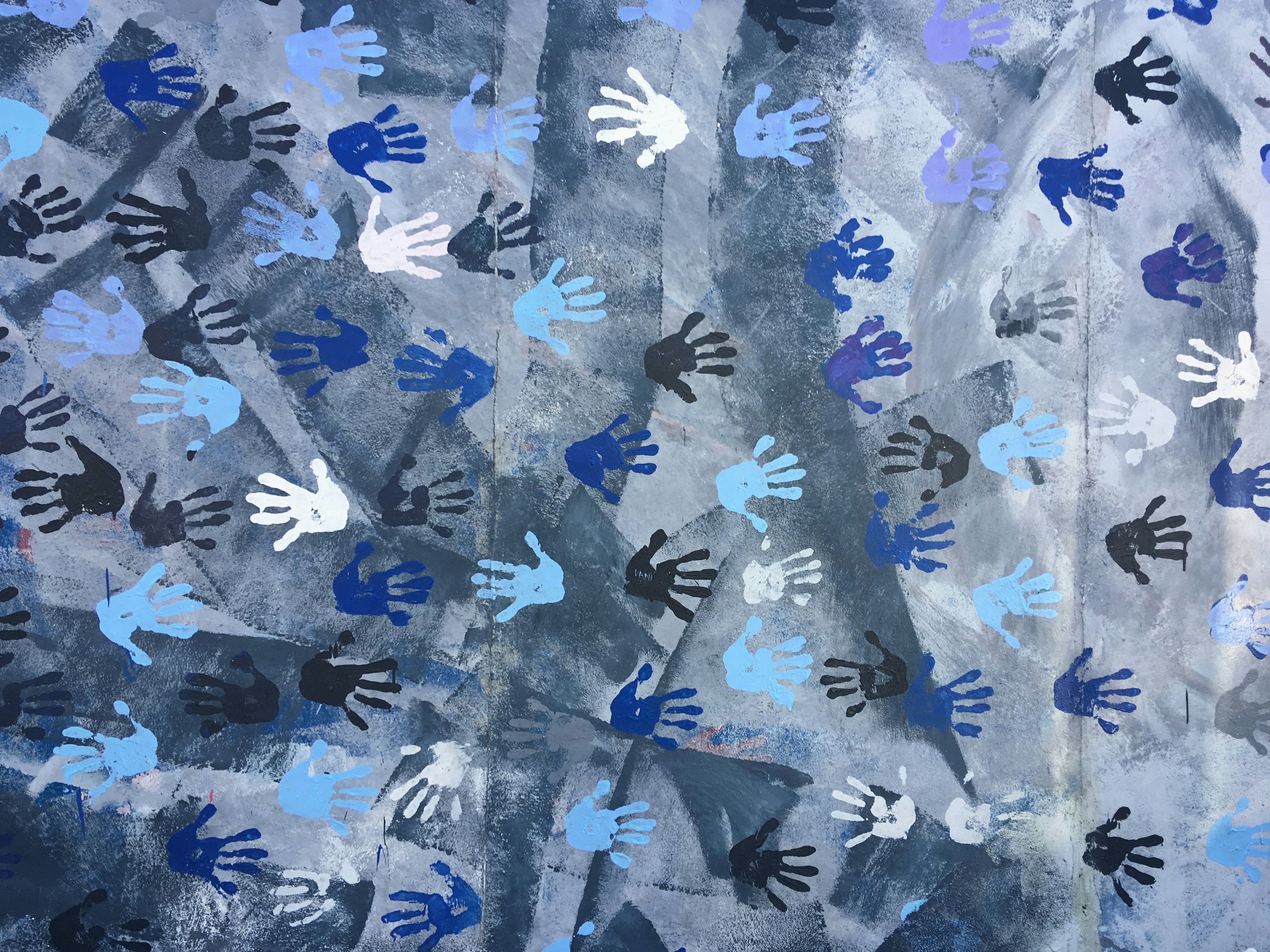
This image showcases how graphic design can empower communities by visually representing unity and collaboration towards a common goal. The vibrant colors symbolize diversity while the outstretched hands convey solidarity and support among community members.
In conclusion, graphic design plays a crucial role in designing for social impact. Non-profit organizations rely on graphic design to effectively communicate their mission, raise awareness about important social issues, and empower communities. Through thoughtfully designed visuals, designers have the power to touch the hearts of individuals and inspire them to take action towards creating a better world.
Conclusion

Design that Resonates: A Must-Have in Today's Competitive World
In today's competitive world, design that touches the heart is not just a luxury, but a necessity. With consumers constantly bombarded with information and advertisements, it is crucial for businesses to stand out and make a lasting impression. By creating designs that resonate with emotions and evoke powerful responses, brands can capture the attention and loyalty of their target audience. Whether it's through captivating visuals, personalized campaigns, or iconic logos, graphic design has the power to make a brand memorable and impactful.
The Enduring Impact of Graphic Design
Graphic design has proven time and again its enduring impact on various aspects of our lives. From marketing campaigns to brand identities, graphic design has the ability to leave a lasting impression on individuals. It shapes our perceptions, influences our emotions, and ultimately drives our actions. With its ability to transcend language barriers and cultural differences, graphic design has become an essential tool for effective communication in today's globalized world.
Inspiring Action through Design that Touches the Heart
Design that touches the heart goes beyond aesthetics; it inspires action. By tapping into the viewer's emotions and creating a connection on a deeper level, graphic design has the power to motivate individuals to take action. Whether it's supporting a cause, purchasing a product, or joining a movement, designs that resonate with emotions have the ability to spark change and drive meaningful engagement.
As we conclude this exploration into the power of graphic design in touching hearts and inspiring action, one thing becomes clear: effective design goes beyond aesthetics; it taps into our emotions and creates meaningful connections. In today's fast-paced world where attention spans are short-lived, brands must prioritize creating designs that resonate with their audience. By understanding the psychology behind graphic design, leveraging colors and typography, and telling compelling stories, brands can create designs that leave a lasting impact. So, let us embrace the power of design that touches the heart and make a difference in the world.