Introduction

Design that evokes emotion is a powerful tool in creating impactful and memorable experiences for users. It goes beyond aesthetics and functionality, tapping into the human psyche to elicit strong emotional responses. In this guide, we will explore why design that evokes emotion matters, the power it holds in shaping user experiences, and the role of techniques in maximizing its impact.
Why Design That Evokes Emotion Matters
Design that evokes emotion matters because it has the ability to forge deep connections with users. When a design resonates emotionally, it creates a lasting impression and fosters a sense of loyalty towards a brand or product. Emotionally-driven designs have the power to evoke joy, excitement, trust, or even nostalgia, making them more engaging and memorable.
The Power of Emotional Design
Emotional design has the power to influence user behavior and decision-making processes. When users feel connected on an emotional level, they are more likely to engage with a design, spend more time on a website or app, and ultimately convert into loyal customers. By tapping into human emotions such as happiness, surprise, or empathy, designers can create experiences that leave a lasting impact.
The Role of Techniques in Maximizing Impact
Techniques play a crucial role in maximizing the impact of design that evokes emotion. From color psychology to typography choices and engaging imagery, each element is carefully crafted to elicit specific emotional responses from users. Interaction design techniques such as microinteractions and delightful transitions enhance user experience by adding moments of delight and surprise. Storytelling techniques help designers create narratives that resonate with users on an emotional level.
By incorporating these techniques, designers can create experiences that not only captivate users but also inspire trust and authenticity. Building emotional connections through branding, using social proof and testimonials, and applying user-centered design principles all contribute to creating a holistic experience that evokes emotion.
In conclusion, design that evokes emotion is a powerful tool in creating impactful and memorable experiences for users. By understanding the basics of emotional design, harnessing the power of visual identity and interaction design, tapping into the power of storytelling, and inspiring trust and authenticity, designers can create lasting impacts on their users. So let's dive in and explore the world of design that evokes emotion!
Understanding the Basics

Design that evokes emotion is a powerful tool in creating memorable experiences for users. It goes beyond aesthetics and functionality, tapping into the emotional responses of individuals. By understanding the basics of this design approach, we can effectively harness its impact.
Defining Design That Evokes Emotion involves creating visuals and interactions that elicit specific emotional responses from users. It aims to establish a connection on a deeper level, leaving a lasting impression. This type of design goes beyond simply pleasing the eye; it seeks to evoke joy, excitement, empathy, or any other desired emotion.
Elements of Emotional Design encompass various factors that contribute to its effectiveness. Color psychology plays a significant role in setting the tone and eliciting specific emotions. For example, warm colors like red and orange can evoke feelings of passion or energy, while cool colors like blue and green can create a sense of calm or serenity.
Typography also plays a crucial role in emotional design. The choice of fonts can convey different moods and personalities. Bold and edgy fonts may evoke excitement or urgency, while elegant and flowing fonts can create a sense of sophistication or tranquility.
Incorporating Engaging Imagery is another essential element in emotional design. Images have the power to trigger emotions more effectively than words alone. By carefully selecting visuals that align with the desired emotional response, designers can enhance user experiences significantly.
Importance of Audience Analysis cannot be overstated when it comes to designing for emotions. Different demographics have varying preferences and triggers for emotional responses. Conducting thorough audience research allows designers to tailor their approach accordingly, ensuring maximum impact on the intended audience.
Understanding these basics sets the foundation for creating designs that truly evoke emotion. By defining the concept, considering the elements, and analyzing the audience, designers can craft experiences that resonate deeply with users. This approach goes beyond mere aesthetics and functionality, creating a lasting impact that leaves a lasting impression.
Creating a Strong Visual Identity

In creating a strong visual identity, designers must harness the power of color psychology to evoke specific emotions in their audience. By carefully selecting and utilizing colors, designers can create a visual experience that resonates with users on a deep emotional level. Whether it's using warm hues like red and orange to convey energy and passion or cool tones like blue and green to evoke calmness and tranquility, color plays a crucial role in shaping the emotional response to design.
Typography is another essential element in creating an emotional impact through design. The choice of fonts, styles, and sizes can greatly influence how users perceive and engage with the content. Bold and strong typography can convey confidence and authority, while elegant and delicate fonts can evoke feelings of sophistication or nostalgia. By carefully considering typography choices, designers can enhance the emotional resonance of their designs.
Incorporating engaging imagery is yet another powerful tool for evoking emotions through design. Images have the ability to communicate complex ideas or capture moments that resonate deeply with users. Whether it's using powerful visuals that elicit awe or incorporating relatable images that evoke empathy, designers can create an emotional connection between the user and the design through carefully selected imagery.
By combining these elements - color psychology, typography choices, and engaging imagery - designers can create a visual identity that not only captures attention but also elicits specific emotions from their audience. This cohesive approach ensures that every aspect of the design works together harmoniously to deliver a powerful emotional impact.
Remember: Designing with emotion requires careful consideration of each element used in your designs—color psychology, typography choices, engaging imagery—all working together harmoniously for a powerful emotional impact.
Enhancing User Experience Through Interaction Design
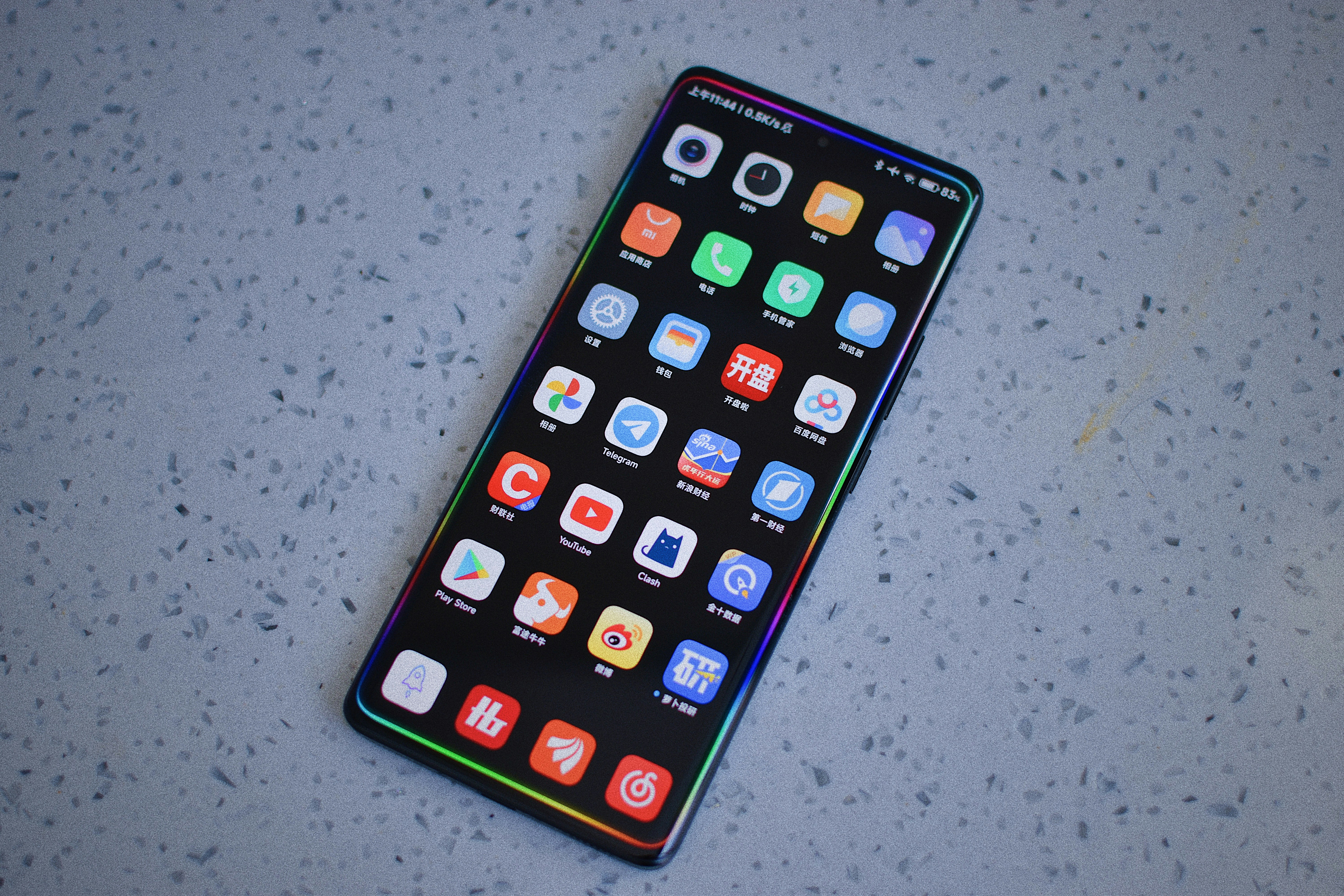
Interaction design plays a crucial role in creating a user experience that evokes emotion. By focusing on the art of microinteractions, animation and delightful transitions, and crafting intuitive user interfaces, designers can create experiences that leave a lasting impact on users.
The art of microinteractions involves designing small, subtle interactions that add personality and delight to the user experience. These can be as simple as a button changing color when hovered over or a notification popping up when a task is completed. By carefully considering these microinteractions, designers can create moments of surprise and joy for users, enhancing their emotional connection with the product or service.
Animation and delightful transitions are powerful tools for evoking emotion in design. They add fluidity and life to interactions, making them feel more natural and engaging. Whether it's a smooth transition between screens or an animated loading icon, these elements can make the user experience more enjoyable and memorable. By using animation strategically, designers can guide users through their journey and evoke positive emotions along the way.
Crafting intuitive user interfaces is essential for creating an emotional connection with users. When interfaces are easy to navigate and understand, users feel empowered and satisfied with their experience. Designers achieve this by using clear visual cues, logical organization of information, and intuitive interactions. By reducing friction in the user interface design process, designers can create seamless experiences that leave users feeling confident and emotionally connected.
In conclusion, enhancing user experience through interaction design is key to creating designs that evoke emotion. The art of microinteractions adds personality and surprise to interactions, while animation and delightful transitions bring fluidity and engagement to the experience. Crafting intuitive user interfaces ensures ease of use and empowers users throughout their journey. By implementing these techniques, designers can create memorable experiences that leave a lasting emotional impact on users.
Tapping into the Power of Storytelling

Storytelling is a powerful tool in design that evokes emotion. By using narrative design principles, designers can create a compelling story that engages users on an emotional level. This involves crafting a clear beginning, middle, and end to guide the user through their journey. Through storytelling, designers can create a sense of anticipation, surprise, and resolution that captivates the audience.
Evoking empathy through characters is another effective way to tap into the power of storytelling. By creating relatable and well-developed characters, designers can elicit emotional responses from users. These characters can be used to convey a message or represent the target audience, allowing users to connect with them on a personal level. This connection fosters empathy and creates a stronger emotional bond between the user and the design.
Incorporating emotional arcs in design is essential for creating impactful experiences. Just like in traditional storytelling, emotional arcs in design involve building tension and releasing it for maximum impact. Designers can strategically introduce moments of tension or conflict within their designs to evoke emotions such as excitement, anticipation, or even fear. By carefully crafting these emotional arcs, designers can create memorable experiences that leave a lasting impression on users.
By utilizing narrative design principles, evoking empathy through characters, and incorporating emotional arcs in design, designers can effectively tap into the power of storytelling to create emotionally engaging experiences for users.
Inspiring Trust and Authenticity

Building Emotional Connections through Branding
Branding plays a crucial role in inspiring trust and authenticity in design that evokes emotion. By carefully crafting a brand identity that aligns with the emotions you want to evoke, you can establish a strong emotional connection with your audience. Through consistent use of colors, typography, and imagery that resonate with your target demographic, you can create a visual identity that speaks directly to their emotions.
Using Social Proof and Testimonials
Social proof and testimonials are powerful tools for inspiring trust and authenticity in design. By showcasing positive feedback from satisfied customers or influential figures within your industry, you can instill confidence in potential users or customers. Incorporating social proof elements such as customer reviews, ratings, or endorsements can help validate the emotional impact of your design and build credibility.
Applying User-Centered Design Principles
To truly inspire trust and authenticity through design that evokes emotion, it is essential to prioritize user-centered design principles. By understanding the needs, desires, and pain points of your target audience, you can create designs that are tailored to their emotional experiences. Conducting thorough user research, usability testing, and gathering feedback throughout the design process allows you to refine your designs based on real user insights.
The image above showcases individuals from different backgrounds interacting with a brand's product or service. This visual representation highlights the importance of building emotional connections through branding by showing how people from various demographics can connect emotionally with a brand.
By focusing on building emotional connections through branding, utilizing social proof and testimonials effectively, and applying user-centered design principles throughout the process, designers can inspire trust and authenticity in their work. Creating designs that evoke emotion while also establishing a sense of credibility and reliability will leave a lasting impact on users, ensuring memorable experiences that resonate deeply.
Conclusion

Implementing Emotional Design Techniques for Lasting Impact: Emotional design is not just a trend; it is a powerful tool that can create lasting connections with users. By understanding the basics of emotional design and harnessing techniques such as color psychology, typography, and engaging imagery, designers can create visual identities that evoke emotion and leave a lasting impact on users.
Designing Memorable Experiences for Users: User experience is crucial in creating memorable experiences. Through interaction design elements like microinteractions, delightful transitions, and intuitive user interfaces, designers can enhance the overall user experience. By carefully crafting these elements to evoke emotion, designers can create experiences that are not only functional but also memorable.
Embracing the Power of Design that Evokes Emotion: Design has the power to evoke emotion and tap into the human psyche. By incorporating storytelling principles, such as narrative design and emotional arcs, designers can create designs that resonate with users on a deeper level. Additionally, building trust and authenticity through branding and user-centered design principles further enhances the emotional connection between users and designs.
In conclusion, by implementing emotional design techniques effectively, designers can create designs that not only fulfill functional requirements but also leave a lasting impact on users. By designing memorable experiences through careful attention to interaction design elements, embracing storytelling principles, and building trust through branding and user-centered design principles, designers have the power to evoke emotions in users and create meaningful connections. So go ahead and embrace the power of design that evokes emotion to create truly impactful experiences for your audience.