Introduction
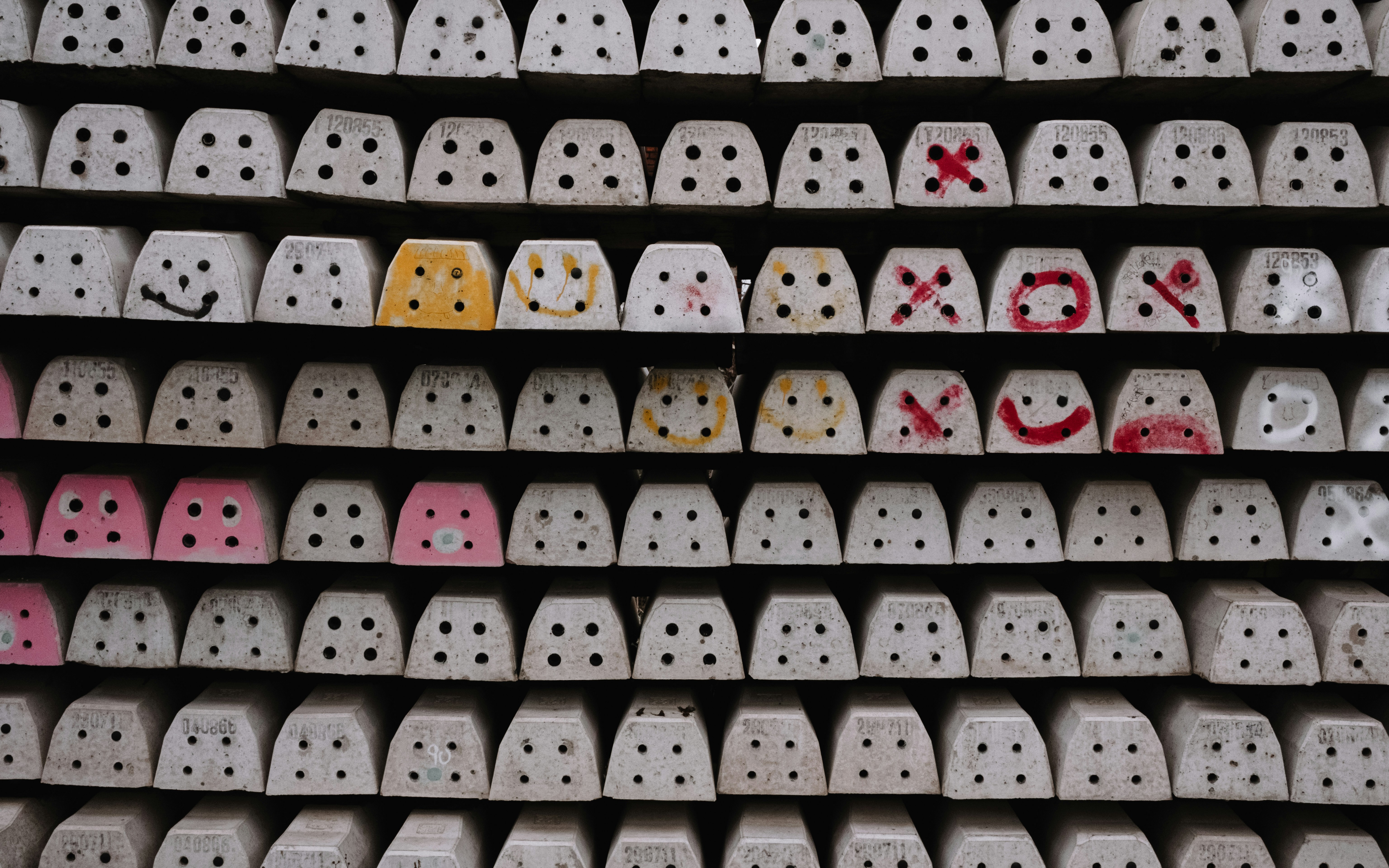
Emotional design is a powerful force that shapes our perception of everyday objects, often in surprising ways. From the sleek curves of a smartphone to the warm colors of a cozy blanket, the design choices made by creators have a profound impact on our emotions and experiences. By understanding the psychology behind emotional design, we can unlock its potential to create meaningful connections and enhance our daily lives.
The Impact of Emotional Design on Everyday Objects
Emotional design goes beyond mere aesthetics; it has the power to transform ordinary objects into sources of joy, comfort, and inspiration. Consider how a beautifully designed coffee mug can make your morning routine more enjoyable or how a thoughtfully crafted chair can invite relaxation and tranquility after a long day. These emotional connections elevate everyday items from functional tools to cherished possessions.
The Surprising Influences Hidden in Everyday Items
What if I told you that the shape of your toothbrush or the color of your toothpaste tube could influence how you perceive their effectiveness? It may sound far-fetched, but research shows that even seemingly insignificant design elements can have subconscious effects on our emotions and behaviors. By delving into these hidden influences, we can uncover new insights into how emotional design shapes our choices and experiences.
How Emotional Design Shapes Our Perception
Our perception is not solely based on rational analysis; it is deeply intertwined with our emotions. Emotional design capitalizes on this connection by strategically incorporating elements that evoke specific feelings and responses. Whether it's the use of vibrant colors to elicit excitement or soft textures to promote comfort, designers have an incredible ability to shape how we perceive and interact with the world around us.
The Psychology of Emotional Design
Emotional design is not just about creating visually appealing products; it's about understanding the deep connection between emotions and design. When we interact with an object, our emotions play a significant role in shaping our experience. Whether it's a smartphone, a piece of furniture, or even a simple kitchen utensil, the design choices made can evoke specific emotional responses.
Understanding the connection between emotions and design is crucial for creating products that resonate with users on a deeper level. By tapping into the psychology behind emotional design, designers can create experiences that are more engaging and meaningful.
The science behind emotional design delves into how our brains process information and make decisions based on emotions. Research has shown that emotions influence our perception, attention, memory, and decision-making. By incorporating elements that trigger positive emotions, such as joy or delight, designers can create products that leave lasting impressions.
Emotional design also plays a vital role in user experience (UX). When users feel emotionally connected to a product, they are more likely to enjoy using it and develop loyalty towards the brand. By considering the emotional impact of every design choice, from color palettes to user interface interactions, designers can create seamless experiences that resonate with users on an emotional level.
The Power of Colors and Shapes

Colors and shapes play a significant role in emotional design, influencing our feelings and responses to everyday objects. The careful selection of colors can elicit different emotions in individuals, creating a unique experience for each user. For example, vibrant and warm colors like red and orange can evoke feelings of excitement and energy, while cool colors like blue and green can promote calmness and relaxation. By understanding the psychological impact of colors, designers can strategically use them to enhance emotional design.
The impact of shapes on our emotional response should not be underestimated. Different shapes can evoke different emotions and associations in individuals. For instance, rounded shapes such as circles or curves often convey a sense of comfort, harmony, and friendliness. On the other hand, angular shapes like squares or triangles may evoke feelings of stability, strength, or even aggression. By considering the emotional associations that various shapes carry, designers can create objects that resonate with users on a deeper level.
Using color and shape effectively is crucial in enhancing emotional design. By combining specific colors with certain shapes, designers have the power to create a desired emotional response in users. For example, using warm colors like yellow or orange along with rounded shapes can create a sense of happiness or playfulness in an object's design. Conversely, combining cool colors with angular shapes may convey a sense of professionalism or reliability. The thoughtful integration of color and shape allows designers to craft products that not only serve their practical purpose but also evoke specific emotions in users.
In this image message titled The Power of Colors and Shapes, we see an illustration that demonstrates how color and shape can work together to enhance emotional design. The vibrant yellow circle represents warmth and happiness while being surrounded by smaller blue triangles that convey a sense of stability and reliability. This image perfectly captures the concept of using color and shape to evoke specific emotions in users, showcasing the impact of emotional design on everyday objects.
Now that we have explored the power of colors and shapes in emotional design, let's move on to the next section to delve deeper into the role of storytelling in creating emotional connections.
Creating Emotional Connections through Storytelling

Storytelling plays a vital role in emotional design, as it allows designers to create narratives that resonate with users on a deeper level. By weaving stories into the design of everyday objects, designers can evoke powerful emotions and forge meaningful connections with users.
The Role of Storytelling in Emotional Design
Storytelling serves as a bridge between the user and the product, providing context and meaning to enhance the emotional experience. By incorporating narratives into the design process, designers can tap into human psychology and create products that elicit specific emotions.
Evoking Emotions through Narratives
Through compelling narratives, designers can evoke a wide range of emotions such as joy, nostalgia, or even empathy. For example, a children's toy may feature characters with relatable stories that spark imagination and foster emotional attachment. By evoking these emotions, products become more than just objects; they become companions that bring joy and comfort.
Inspiring Trust and Connection with Authentic Stories
Authenticity is key in emotional design, and storytelling provides an avenue for creating genuine connections with users. By sharing authentic stories behind a product's creation or showcasing real-life experiences of its users, designers can establish trust and foster a sense of community. This trust builds loyalty and strengthens the emotional bond between users and their chosen products.
In conclusion, storytelling is an essential tool in emotional design as it allows designers to create meaningful connections by evoking specific emotions through narratives. By understanding the role of storytelling in emotional design, designers can craft products that not only serve functional purposes but also enrich users' lives by eliciting powerful emotional responses. The future of emotional design lies in the ability to create authentic stories that resonate with users, forging lasting connections and shaping our perception of everyday objects.
The Subtle Influences of Texture and Material
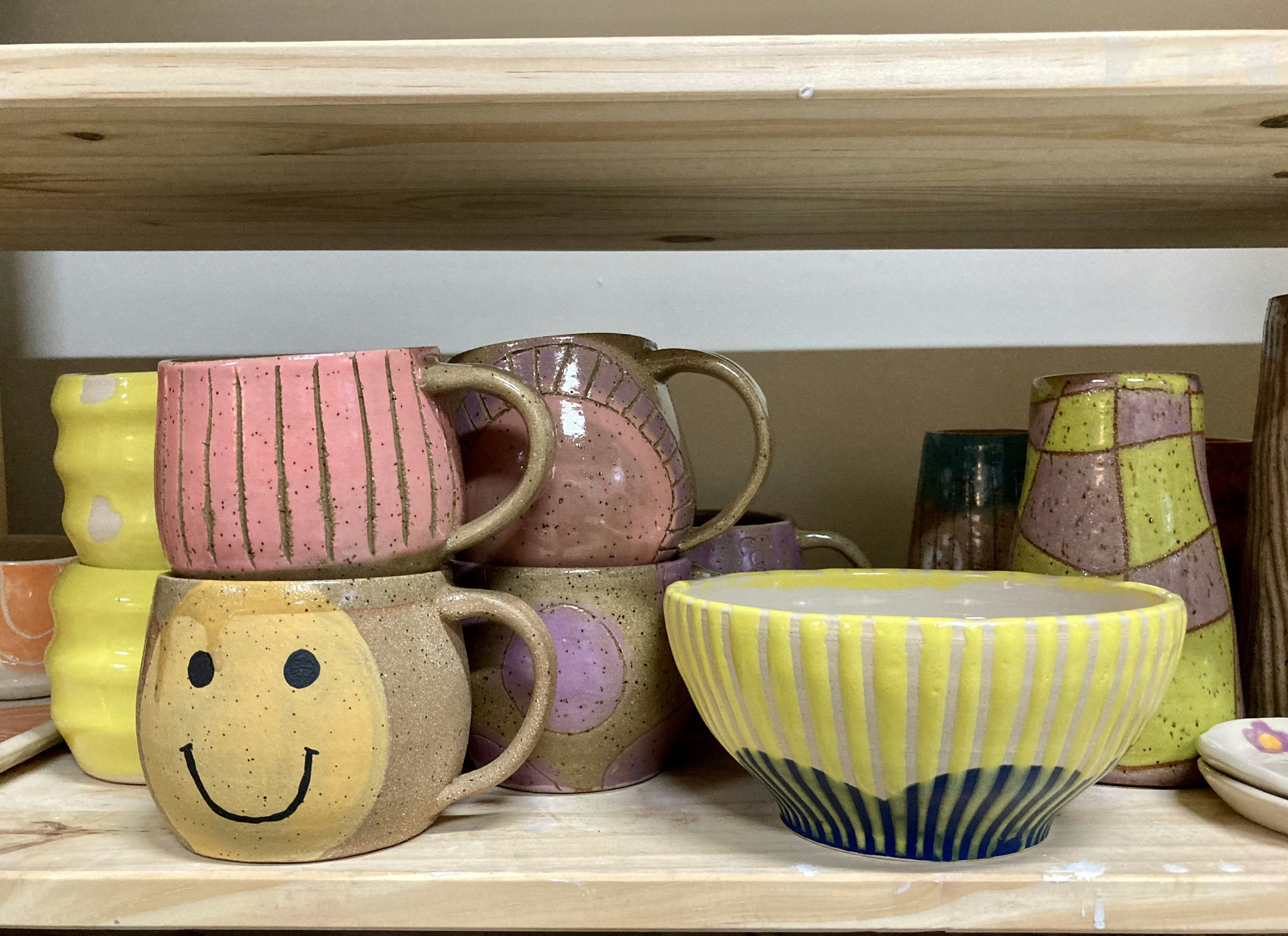
Texture and material play a crucial role in emotional design, as they have the power to evoke specific sensations and create a deeper connection with users. Exploring the sensory impact of texture allows designers to tap into our sense of touch, enhancing the overall emotional experience. By carefully selecting materials with different textures, designers can create objects that feel comforting, luxurious, or even playful.
The sensory impact of texture can vary greatly depending on the material used. For example, a soft velvet fabric can elicit feelings of comfort and coziness, while a rougher texture like burlap may evoke a sense of rustic charm. By understanding these emotional associations, designers can strategically choose textures that align with the desired emotional response for their products.
Leveraging texture and material goes beyond just creating pleasant tactile experiences; it also enhances emotional design. For instance, incorporating natural materials like wood or stone can evoke a sense of authenticity and connection to nature. On the other hand, sleek metals or glossy surfaces may convey modernity and sophistication. By intentionally selecting materials that resonate with users' emotions, designers can create objects that are not only visually appealing but also deeply meaningful.
In conclusion, texture and material are powerful tools in emotional design. They have the ability to stimulate our senses and shape our perception of everyday objects. By exploring the sensory impact of texture, understanding the emotional associations of different materials, and leveraging them strategically in design, we can enhance the emotional connection between users and products.
Designing for Positive Emotional Experiences
In the world of design, creating positive emotional experiences is key to capturing the hearts and minds of users. By focusing on joy and delight, designers can transform everyday objects into sources of happiness and satisfaction.
Creating Joy and Delight in Everyday Objects
To create joy and delight in everyday objects, designers must tap into the emotions that bring happiness to people's lives. This can be achieved through playful designs that evoke a sense of childlike wonder or by incorporating unexpected elements that surprise and delight users.
For example, a coffee mug with a hidden message that is revealed as the hot liquid is poured could bring a moment of joy to the user's morning routine. By infusing objects with these small moments of delight, designers can make everyday experiences more enjoyable.
Enhancing Emotional Well-being through Design
Design has the power to enhance emotional well-being by creating products that promote relaxation, mindfulness, and self-care. By incorporating elements such as soothing colors, soft textures, or calming sounds into everyday objects, designers can help users find moments of tranquility in their busy lives.
For instance, a desk lamp with adjustable color temperature settings could provide users with the ability to create their desired ambiance for different activities throughout the day. This kind of thoughtful design allows individuals to customize their environment and cultivate emotional well-being.
Design Strategies for Evoking Positive Emotions
Designers can employ various strategies to evoke positive emotions in users. One effective approach is to design products that evoke nostalgia, tapping into the power of cherished memories and associations.
For example, a retro-inspired radio with modern technology could transport users back to a simpler time while still providing the convenience of digital streaming. By combining the familiar aesthetics of the past with the functionality of the present, designers can create emotional connections that resonate with users.
In addition, incorporating elements of surprise and discovery can also evoke positive emotions. By designing objects that have hidden features or unexpected interactions, designers can create moments of delight for users.
For instance, a bookshelf that transforms into a secret door leading to a hidden room could bring a sense of excitement and wonder to homeowners. These unexpected design elements spark curiosity and engage users on an emotional level.
By focusing on creating joy and delight, enhancing emotional well-being, and employing design strategies for evoking positive emotions, designers can transform everyday objects into sources of happiness and satisfaction. Through thoughtful and intentional emotional design, we can shape experiences that bring positivity into people's lives.
[Note: The images used in this text are for illustrative purposes only.]
Conclusion
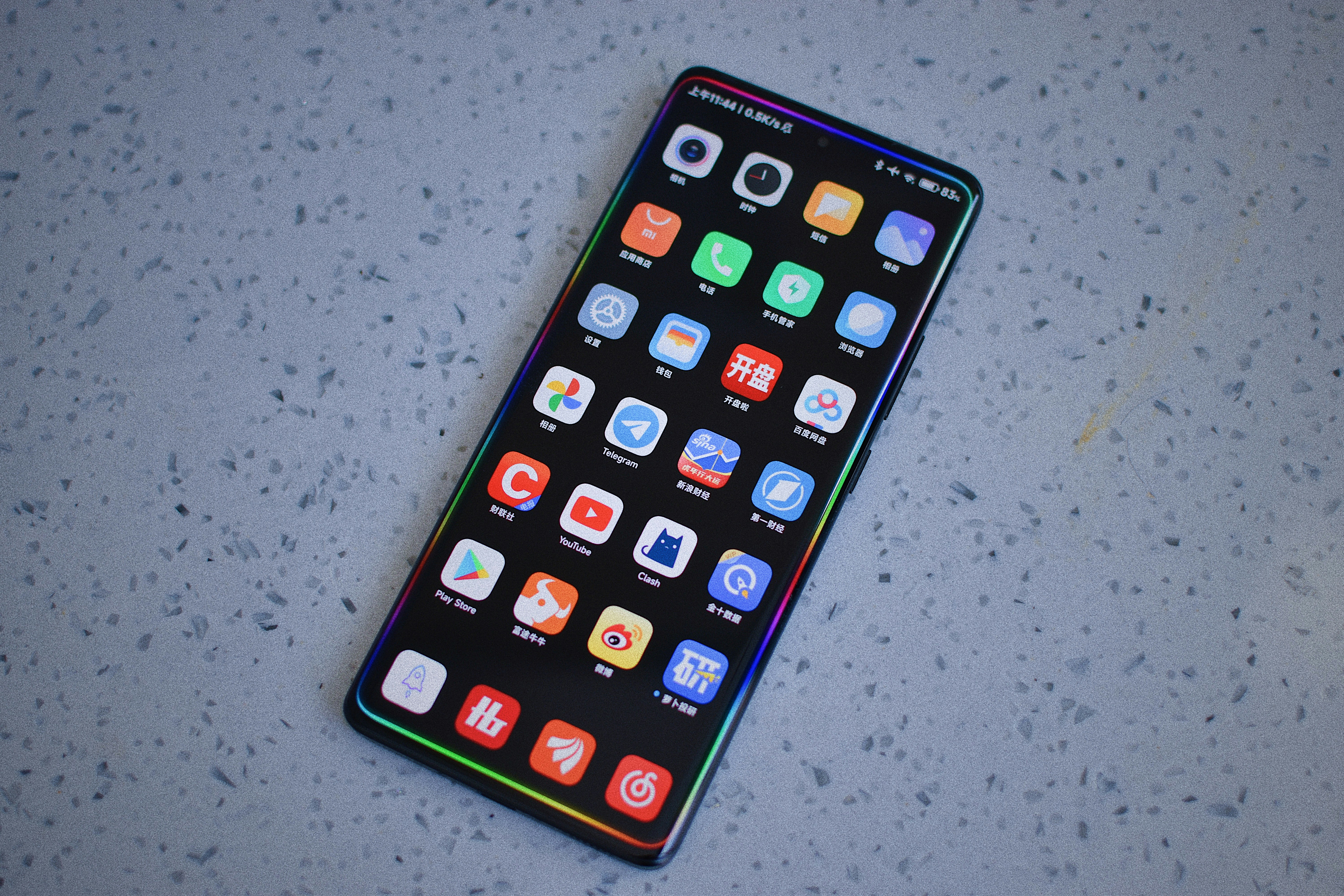
Emotional design has an enduring influence on our everyday objects, shaping our perception and creating meaningful connections. By understanding the psychology behind emotional design, we can harness the power of colors, shapes, textures, and materials to evoke specific emotions and enhance user experiences.
The future of emotional design in product development is promising. As technology continues to advance, designers have more opportunities to create products that elicit positive emotional responses. By incorporating storytelling techniques and focusing on enhancing emotional well-being, designers can create objects that bring joy and delight to users.
In conclusion, emotional design goes beyond aesthetics; it has the power to shape our perception of everyday objects and create lasting connections with users. By leveraging the science behind emotions and design principles, we can create products that not only serve their functional purposes but also evoke positive emotions in users. The future holds exciting possibilities for emotional design in product development as we continue to explore new ways to enhance user experiences.